The Biological "Fluid Factor": New Insights Into Natural Knee Mobility
Recent evidence from senior populations identifies the biological Fluid Factor as the primary element for maintaining independence. When this internal lubricant is supported, mobility remains fluid even in aging knees.
The Synovial Mechanism
For many women over 65, knee pain relief is often temporary because the root cause the thinning of the synovial buffer is ignored. Protecting this environment is essential to prevent the grinding sensation of bone-on-bone friction.
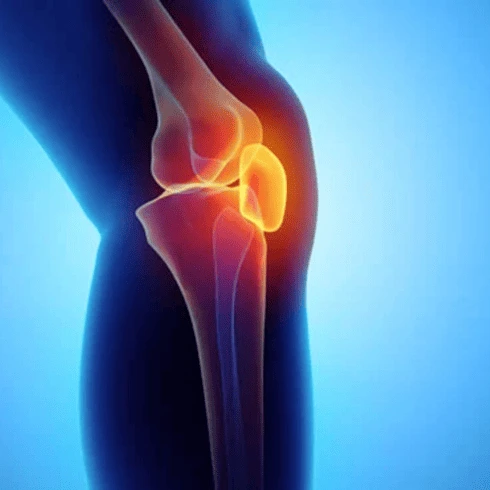
Inside This Research Report:
- The biological connection between the Himalayan environment and knee longevity.
- Why common at-home remedies often fail to address synovial health.
- The biological mechanism behind audible clicking and morning stiffness.
- A natural path to support knee mobility without clinical intervention.
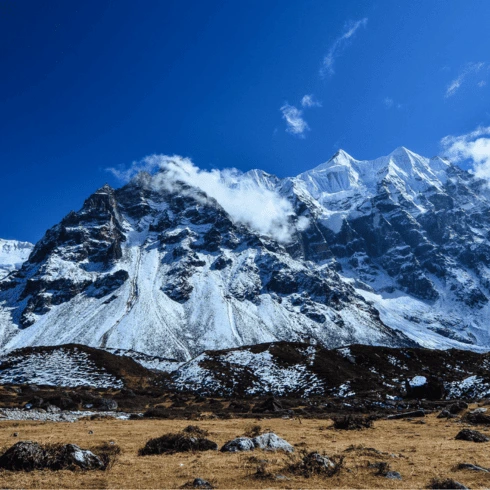
Regional Observations
Studies in high altitude Himalayan communities show that natural habits can support the body's own production of the Fluid Factor. This discovery provides a new path for those seeking to regain knee mobility.
Reader Perspectives
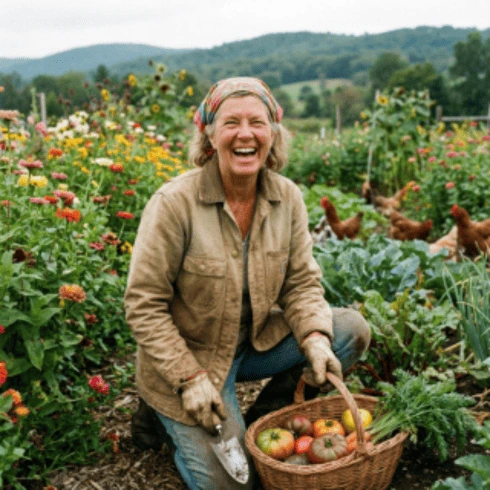
"I had been searching for natural knee pain relief for years. Understanding the biological side of stiffness was the turning point for me."

"The bone-on-bone sensation was dictating my life. This research update gave me a completely new perspective on knee health."
Common Research Inquiries
What exactly is the "Fluid Factor"?
The Fluid Factor refers to the synovial environment within the knee. It acts as a biological lubricant that protects the cartilage and prevents friction during movement.
Is this applicable for "Bone-on-Bone" cases?
The research explores how supporting the internal lubricant can help buffer the knee, even in complex cases.
Can these methods be followed at home?
Absolutely. The focus of this research is on natural, daily habits that support biological knee health.
1. International Journal of Longevity and Regional Health, 2024 Study.
2. Synovial Environment and Biological Aging Science Bulletin Archives.
3. Comparative Analysis of High-Altitude Populations and Knee Flexibility, 2025.